
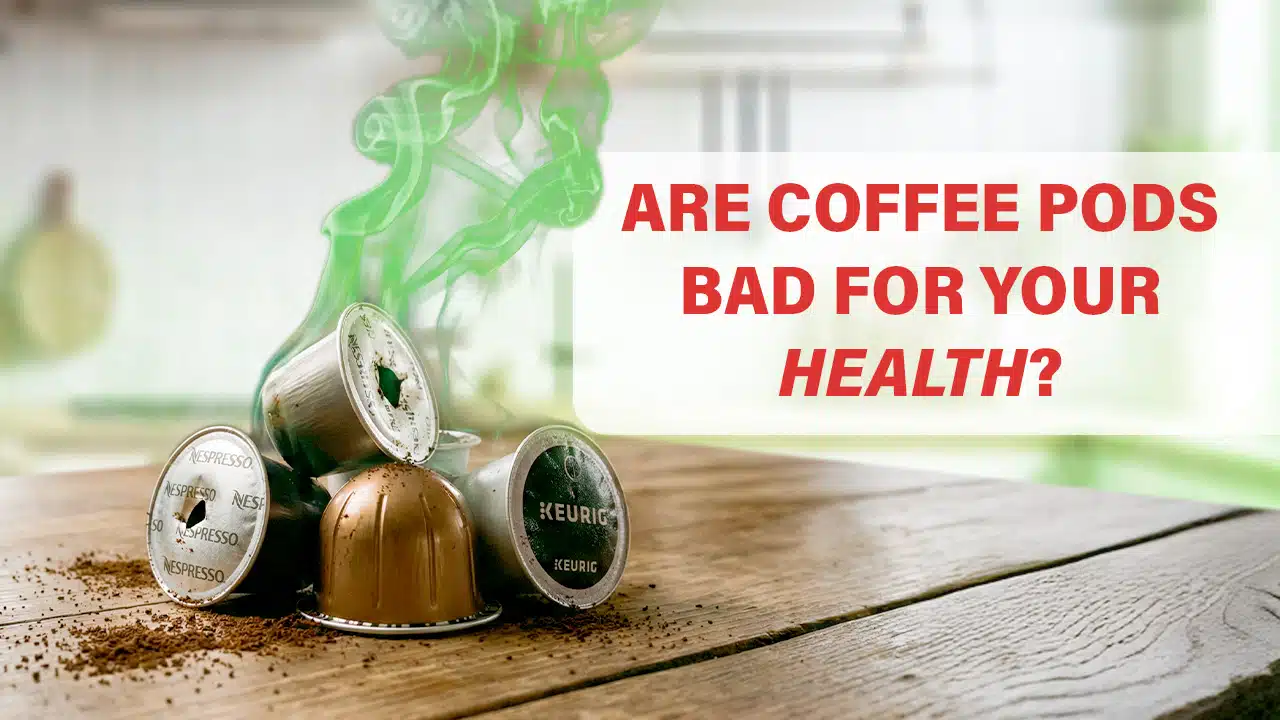
Are Coffee Pods Bad for Your Health?
What Your Morning Coffee Might Be Doing to Your Body

For millions of people, the morning routine looks the same.
You wake up, walk into the kitchen, insert a coffee pod, press a button, and seconds later your coffee is ready.
But a growing number of people are starting to ask an important question:
Are coffee pods bad for your health?
The concern isn’t the coffee itself. In fact, coffee has been associated with several health benefits, including increased antioxidants, improved alertness, and support for cognitive performance.
The real concern may be how the coffee is brewed.
Single-serve coffee pods like K-cups and Nespresso capsules have become incredibly popular because they’re convenient. However, the materials used in these pods — often plastic or aluminum — may expose your body to substances that could affect your nervous system, hormones, and overall health.
Let’s take a closer look at what happens when boiling water runs through a coffee pod every morning.
Why Coffee Pods Became So Popular
Before exploring whether coffee pods are bad for your health, it helps to understand why they became so widely used.
Coffee pods offer something people love: simplicity.
With traditional brewing methods, you have to measure coffee, grind beans, clean filters, and adjust brewing strength.
Coffee pods remove all of that.
Benefits people love include:
-
Quick brewing with one button
-
No measuring or grinding
-
Minimal cleanup
-
Consistent flavor every time
For busy mornings, this convenience is hard to beat.
Many people even assume pods are the cleaner or healthier option because they are sealed and portioned.
But the real question is what happens when very hot water is forced through plastic or aluminum materials repeatedly.
That’s where the health conversation begins.
Are Coffee Pods Bad for Your Health Because of Microplastics?
One of the biggest concerns surrounding coffee pods is microplastic exposure.
Microplastics are extremely small plastic particles that can be released when plastic materials are exposed to heat and pressure.
Coffee pod machines push near-boiling water through plastic capsules to extract the coffee. Under those conditions, tiny particles can potentially enter the brewed beverage.
These particles are invisible to the naked eye. You can’t taste them or smell them, but they may still interact with the body once consumed.
Researchers are studying how microplastics may affect human health, and early findings suggest they may:
-
Trigger immune responses
-
Increase inflammation
-
Interfere with cellular communication
Inflammation is especially important when discussing brain and nerve health.
When inflammation rises, specialized immune cells in the brain called microglia may become activated. When these cells stay activated, they can increase oxidative stress and disrupt normal nerve signaling.
Some people associate this with symptoms such as:
-
Brain fog
-
Poor sleep
-
Increased anxiety
-
Heightened pain sensitivity
-
Fatigue or stress reactivity
Drinking one cup of pod-brewed coffee is unlikely to cause immediate harm. The bigger concern is repeated daily exposure over long periods of time.
Do Coffee Pods Leach Chemicals?
Another reason people ask “Are coffee pods bad for your health?” involves chemical leaching.
Plastic materials can release chemical compounds when heated.
Some of these compounds belong to a category called endocrine disruptors, which can interfere with hormone signaling.
Hormones play a major role in regulating:
-
Mood
-
Energy levels
-
Sleep cycles
-
Stress response
-
Pain sensitivity
When hormone signaling is disrupted, it may influence how the nervous system functions.
Some coffee capsules have been found to contain chemicals from the bisphenol and phthalate families.
Many products now advertise themselves as “BPA-free.”
However, BPA is only one chemical within a larger group of bisphenol compounds.
When BPA is removed from plastics, manufacturers sometimes replace it with related chemicals such as:
-
BPS
-
BPF
These chemicals can behave similarly in the body because they are structurally related.
That means a product labeled BPA-free does not necessarily mean bisphenol-free.
Again, the key concern is long-term cumulative exposure, not a single cup of coffee.
Are Aluminum Coffee Pods Safer?
Some people switch to aluminum capsules believing they are safer than plastic.
While aluminum pods eliminate plastic exposure, they introduce another consideration.
Under high heat and pressure, small amounts of aluminum can migrate into liquids. Aluminum is known to interact with biological systems and has been studied for its potential effects on brain and nerve tissue.
Most experts agree that occasional exposure is unlikely to cause major problems.
However, daily exposure over many years may contribute to the body’s overall environmental chemical load.
In other words, switching from plastic pods to aluminum pods doesn’t completely remove the question of whether coffee pods are bad for your health.
Why Reducing Chemical Exposure Matters for Nerve Health
Many people dealing with symptoms like nerve pain, fatigue, or brain fog want to know whether something like coffee pods could be the direct cause.
Health issues are rarely caused by a single factor.
Instead, the body responds to the total load of stressors and exposures over time.
Nerves are some of the slowest-healing tissues in the body, and they are highly sensitive to inflammation, chemical exposure, and hormonal disruption.
Improving nerve health often involves reducing things that interfere with recovery, such as:
-
Chronic inflammation
-
Environmental toxins
-
Hormone disruption
-
Repeated chemical exposures
Removing unnecessary exposures can create a better environment for the nervous system to repair itself.
The goal is not perfection.
The goal is reducing the overall load on the body.
Healthier Alternatives to Coffee Pods
If you’re wondering whether coffee pods are bad for your health, the good news is that you don’t need to stop drinking coffee.
Instead, you can change the brewing method.
Many experts recommend brewing coffee with materials that remain stable under heat and do not break down.
Healthier brewing options include:
French press
Glass or stainless steel French presses avoid plastic exposure and create a rich, full-bodied brew.
Glass pour-over systems
Pour-over coffee makers made from glass or ceramic allow hot water to pass through coffee grounds without plastic contact.
Stainless steel drip machines
Coffee makers with stainless steel components reduce chemical exposure compared to plastic brewing systems.
Choosing organic coffee beans can also reduce exposure to pesticides and herbicides.
Small changes in daily habits can make a meaningful difference over time.
The Bottom Line: Are Coffee Pods Bad for Your Health?
Coffee itself is not the problem.
Coffee contains antioxidants and has been linked to improved mental alertness and cognitive performance.
However, the brewing method matters.
Running boiling water through plastic or aluminum capsules every morning may expose the body to substances like microplastics and hormone-disrupting chemicals.
So when people ask, “Are coffee pods bad for your health?”, the answer is not necessarily black and white.
One cup isn’t likely to cause harm.
But switching to cleaner brewing methods can reduce daily chemical exposure and support better long-term health.
Sometimes the smallest daily habits have the biggest impact.
Changing how you brew your coffee might be one of the simplest ways to lower your body’s overall chemical load — while still enjoying your morning cup.
Want a deeper explanation? Watch Dr. C from The Nerve Doctors break down the potential health risks of coffee pods, including microplastics, chemical exposure, and their impact on the nervous system.

This video explains why changing how you brew your coffee may help reduce daily chemical exposure while still enjoying your morning cup.
Struggling with Neuropathy?
Dr. Coppola and Dr. Monteiro’s dedication to combating neuropathy is deeply personal, stemming from Dr. Monteiro’s experience with her mother’s severe chemo-induced neuropathy. This personal journey fueled their commitment to develop a systematic, drug-free approach to reversing neuropathy.
They founded the San Antonio Neuropathy Center, where they’ve successfully treated over 18,000 patients over the past two decades. Their acclaimed book, “Defeat Neuropathy Now in Spite of Your Doctor,” along with their neuropathy product line, stands as a testament to their expertise and innovative solutions.
Recognized as two of America’s foremost neuropathy specialists, Dr. Coppola and Dr. Monteiro offer a beacon of hope for those diagnosed with this challenging condition. If you or a loved one is seeking relief from neuropathy, reach out to us at 844 400-0101 or email us through our contact page – Click here.
Your path to healing can start today.

Dr. John Coppola

Comments are closed, but trackbacks and pingbacks are open.