
Are Household Insecticides and Nerve Damage Connected? What You Need to Know

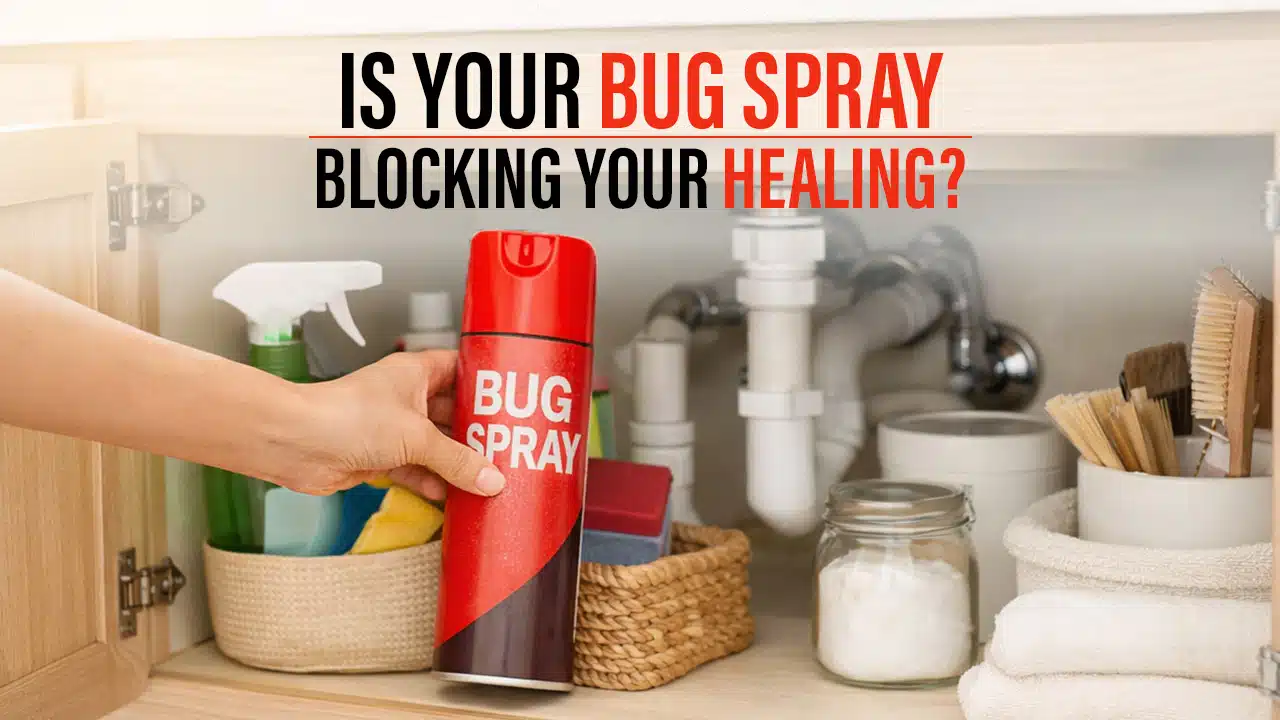
What if the biggest obstacle to your nerve healing is under your kitchen sink?
Most people focus on supplements, diet, or medications when trying to heal their nerves. But what if something in your home is quietly working against you? There is growing awareness of the connection between household insecticides and nerve damage, and how everyday products may keep nerves inflamed, overstimulated, and unable to heal properly.
The surprising part is that most people use these products regularly, believing they are protecting their home and family.
Why Nerve Healing Is Already a Slow Process
Nerves are the slowest-healing tissue in the human body.
- They regenerate at about 1 millimeter per day
- That is roughly 1 inch per month
- Your body contains over 90,000 miles of nerves
Because nerve repair is already slow and energy-intensive, anything that interferes with it matters. This is where the discussion around household insecticides and nerve damage becomes especially important.
The Overlooked Link Between Household Insecticides and Nerve Damage
One of the most underestimated obstacles to nerve healing is exposure to insecticides used inside the home.
When looking at household insecticides and nerve damage, two common product types stand out:
- Bug sprays containing pyrethroids
- Roach and ant baits containing fipronil
Pyrethroid Bug Sprays and Their Impact on Nerves
Many popular bug sprays are marketed as safe or even “natural.” However, most contain synthetic chemicals called pyrethroids.
Although derived from compounds found in flowers, pyrethroids are chemically modified for potency and durability. This modification increases their impact on the nervous system.
How Pyrethroids Affect the Nervous System
Pyrethroids target sodium channels, which are essential for nerve signaling. When these channels are disrupted:
- Nerves can become overactive
- Signals may become unstable
- Electrical activity increases
This is a key example of how household insecticides and nerve damage may be connected.
Effects on Cellular Energy and Repair
Research shows that exposure to these chemicals can contribute to:
- Oxidative stress
- Mitochondrial dysfunction
- Neuroinflammation
Mitochondria produce the energy required for nerve repair. When they are impaired, the body struggles to:
- Repair damaged nerves
- Rebuild protective myelin
- Reduce inflammation
As a result, nerves may remain in a constant state of irritation rather than healing.
Common Symptoms
This disruption can show up as:
- Burning sensations
- Tingling or numbness
- Crawling or buzzing feelings
- Increased sensitivity
These symptoms are often reported by individuals dealing with neuropathy, further reinforcing the concern around household insecticides and nerve damage.
Fipronil in Bait Stations and Nervous System Effects
Many indoor bait stations contain fipronil, a chemical that affects the nervous system differently but just as significantly.
The Role of GABA
Fipronil blocks GABA receptors, which help calm the nervous system. GABA acts as a braking mechanism that prevents overstimulation.
When GABA is blocked:
- Nerves cannot regulate properly
- The system remains overstimulated
- Recovery becomes more difficult
This mechanism adds another layer to the relationship between household insecticides and nerve damage.
Real-World Effects
People exposed to these substances may experience:
- Heightened sensitivity to touch or temperature
- Persistent burning or tingling
- Muscle twitching
- Restless or disrupted sleep
For those already dealing with nerve issues, these effects can intensify symptoms and slow recovery.
How Exposure Happens Inside the Home
Many people assume they are not exposed because they do not directly touch these products. However, exposure can occur in indirect ways.
- Insects carry bait residues across surfaces
- Particles mix into household dust
- Air movement spreads contaminants
- Pets track residues throughout the home
Over time, small amounts accumulate.
This is a critical point when understanding household insecticides and nerve damage: the nervous system responds not only to large exposures but also to repeated, low-level exposure over time.
Why Pets Are Even More Vulnerable
Pets often experience higher exposure levels than humans.
- They are closer to the floor
- They spend more time on contaminated surfaces
- They groom themselves, increasing ingestion
Veterinarians are increasingly observing:
- Tremors
- Hypersensitivity
- Weakness
- Neurological symptoms
This highlights that the issue of household insecticides and nerve damage affects the entire household environment, not just individuals.
Safer Alternatives to Reduce Risk
The goal is not to eliminate pest control but to choose methods that do not interfere with nerve health.
Diatomaceous Earth (Food-Grade)
This option works mechanically rather than chemically. It does not act as a neurotoxin and is widely considered a safer alternative when used correctly.
Use a thin layer and avoid creating airborne dust.
Boric Acid Baits
Boric acid works as a stomach poison for insects rather than overstimulating the nervous system. When used in enclosed bait stations, it is generally considered a lower-toxicity option.
Plant-Based and Preventative Methods
Reducing pest entry can minimize the need for chemical exposure.
- Use peppermint plants near entry points
- Apply cedar mulch around the foundation
- Use properly diluted essential oils along windows and doors
It is important to note that not all natural products are automatically safe, especially around pets.
The Bigger Picture: Removing Barriers to Healing
If your nerve healing has plateaued, it may be worth looking beyond treatments and considering environmental factors.
The connection between household insecticides and nerve damage suggests that everyday exposures could be quietly interfering with recovery.
Sometimes the issue is not that the body cannot heal. It is that something in the environment is slowing or blocking the process.
Final Thoughts
Your body is designed to heal, but it requires the right conditions.
Take a moment to check your home:
- Under the sink
- Behind appliances
- Inside cabinets
Small changes in your environment can have a meaningful impact on your overall health and nerve recovery.
Understanding the role of household insecticides and nerve damage may be one of the most overlooked steps in supporting long-term healing.
Struggling with Neuropathy?
Dr. Coppola and Dr. Monteiro’s dedication to combating neuropathy is deeply personal, stemming from Dr. Monteiro’s experience with her mother’s severe chemo-induced neuropathy. This personal journey fueled their commitment to develop a systematic, drug-free approach to reversing neuropathy.
They founded the San Antonio Neuropathy Center, where they’ve successfully treated over 18,000 patients over the past two decades. Their acclaimed book, “Defeat Neuropathy Now in Spite of Your Doctor,” along with their neuropathy product line, stands as a testament to their expertise and innovative solutions.
Recognized as two of America’s foremost neuropathy specialists, Dr. Coppola and Dr. Monteiro offer a beacon of hope for those diagnosed with this challenging condition. If you or a loved one is seeking relief from neuropathy, reach out to us at 844 400-0101 or email us through our contact page – Click here.
Your path to healing can start today.

Dr. Valerie Monteiro
Comments are closed, but trackbacks and pingbacks are open.