
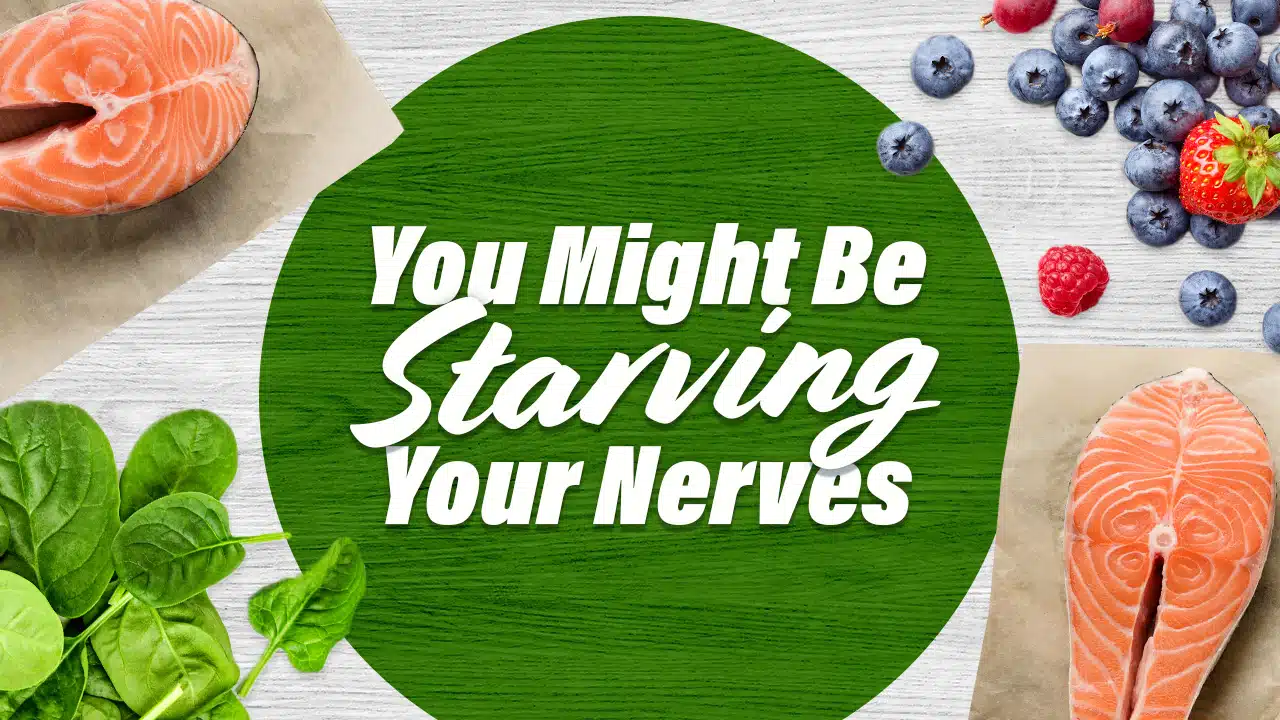

The Top 5 Foods Your Nerves Are Starving For
Peripheral neuropathy is one of the most misunderstood conditions in modern medicine.
If you’re dealing with nerve pain, tingling, numbness, burning, or nerve damage, there’s something critical you need to understand right away:
Your nerves are damaged—but they are not dead.
They are alive, responsive, and capable of repair. But they are also some of the most metabolically demanding tissues in the human body, and without the right raw materials, healing simply can’t happen.
Today, we’re breaking down the five foundational foods your nerves are starving for—the ones that provide the structural, metabolic, and biochemical support needed for real nerve repair and regeneration.
Why Diet Matters So Much for Nerve Healing
Nerves are not passive tissue. They constantly send electrical signals, repair their membranes, rebuild insulation (myelin), and generate massive amounts of cellular energy.
That means nerve healing is not supported by:
-
Processed foods
-
Refined carbohydrates
-
“I’ll just wing it” nutrition
Nerve repair requires specific fats, amino acids, vitamins, minerals, and mitochondrial fuel—and those only come from nutrient-dense foods.
If we had to narrow the entire food universe down to just five foundational nerve-healing foods, these would be the most important, in order.
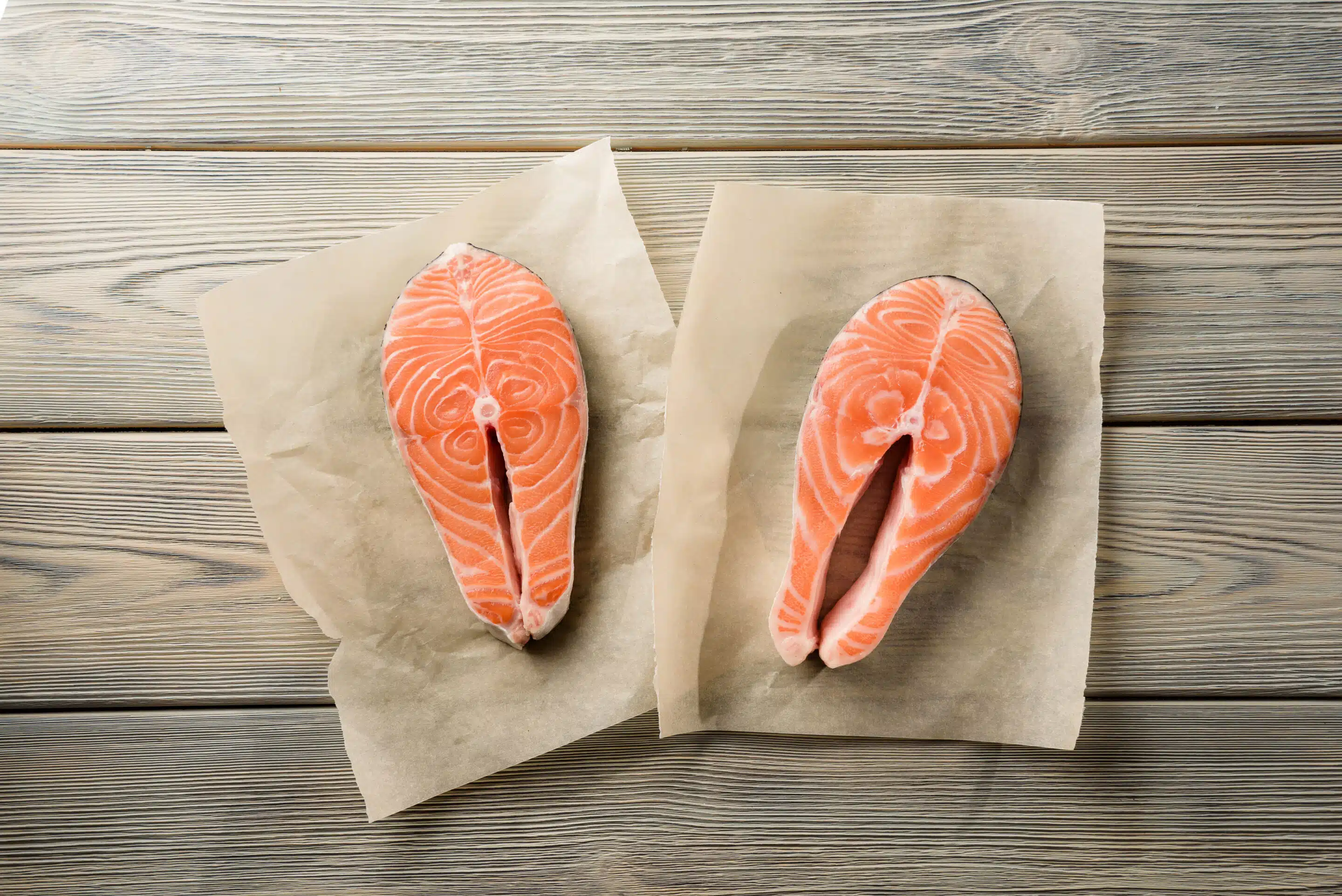
#1 Wild-Caught Fatty Fish
(Salmon, Sardines, Atlantic Mackerel)
If there is one food that belongs at the foundation of nerve repair, this is it.
Your nerves are insulated by myelin, a protective fatty sheath that allows signals to travel quickly and efficiently. The omega-3 fatty acids DHA and EPA, found abundantly in wild-caught fatty fish, are essential structural components of healthy myelin.
These fats:
-
Reduce neuroinflammation
-
Calm overactive nerve signaling
-
Improve signal transmission
-
Support axonal regeneration
In simple terms, fatty fish helps rebuild the wiring, the insulation, and the signal quality of your nervous system.
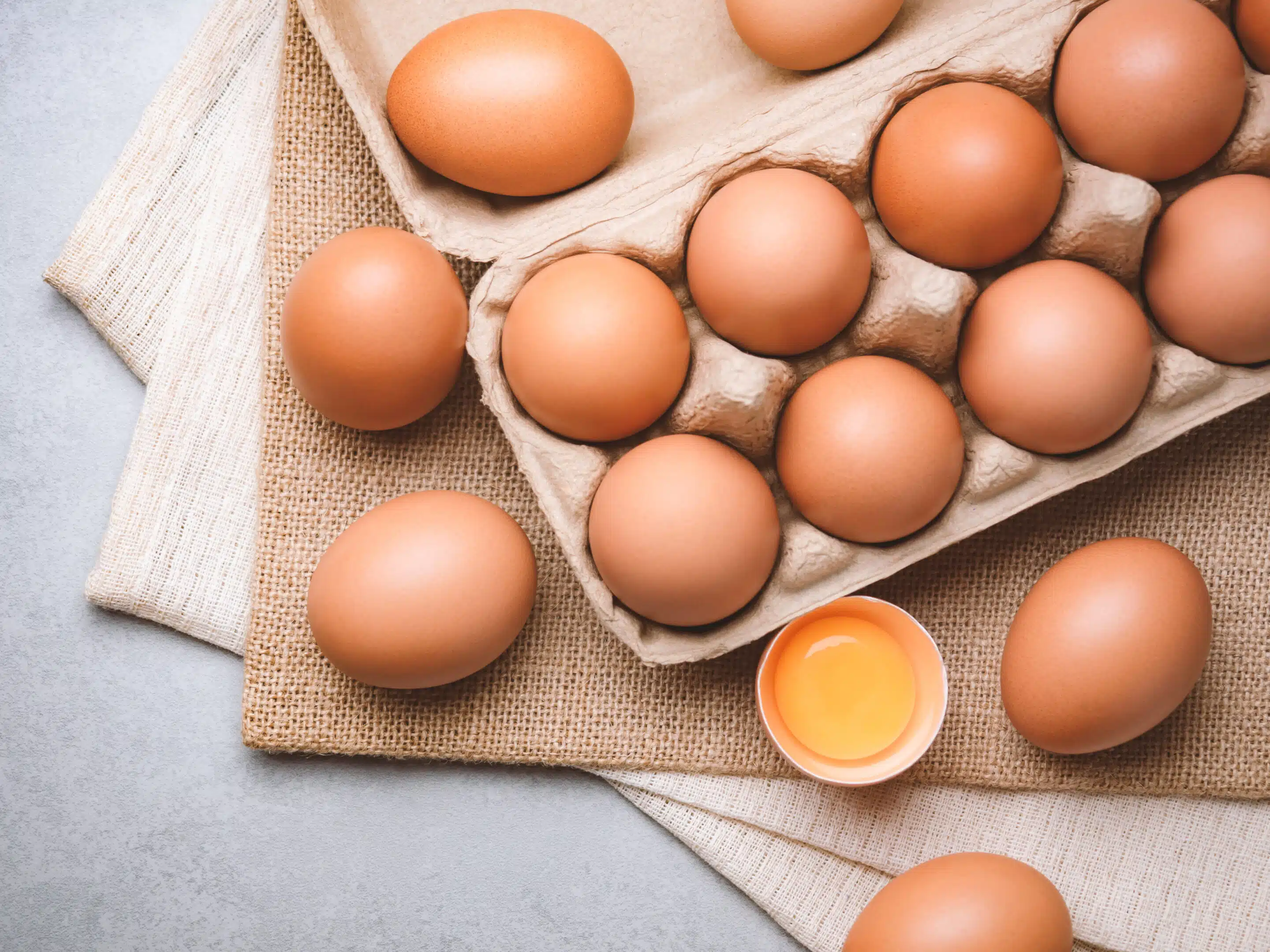
#2 Pasture-Raised Whole Eggs
Eggs are one of the most underrated nerve foods on the planet.
The yolk provides choline, which is essential for myelin formation, along with:
-
Vitamin B12
-
Vitamin B6
-
Folate
-
Methionine and sulfur
All of these are critical for methylation, nerve signaling, and cellular repair.
And despite what you may have been told, cholesterol is not the enemy here. Cholesterol is literally part of your nerve cell membranes. Without enough of it, repair slows dramatically.
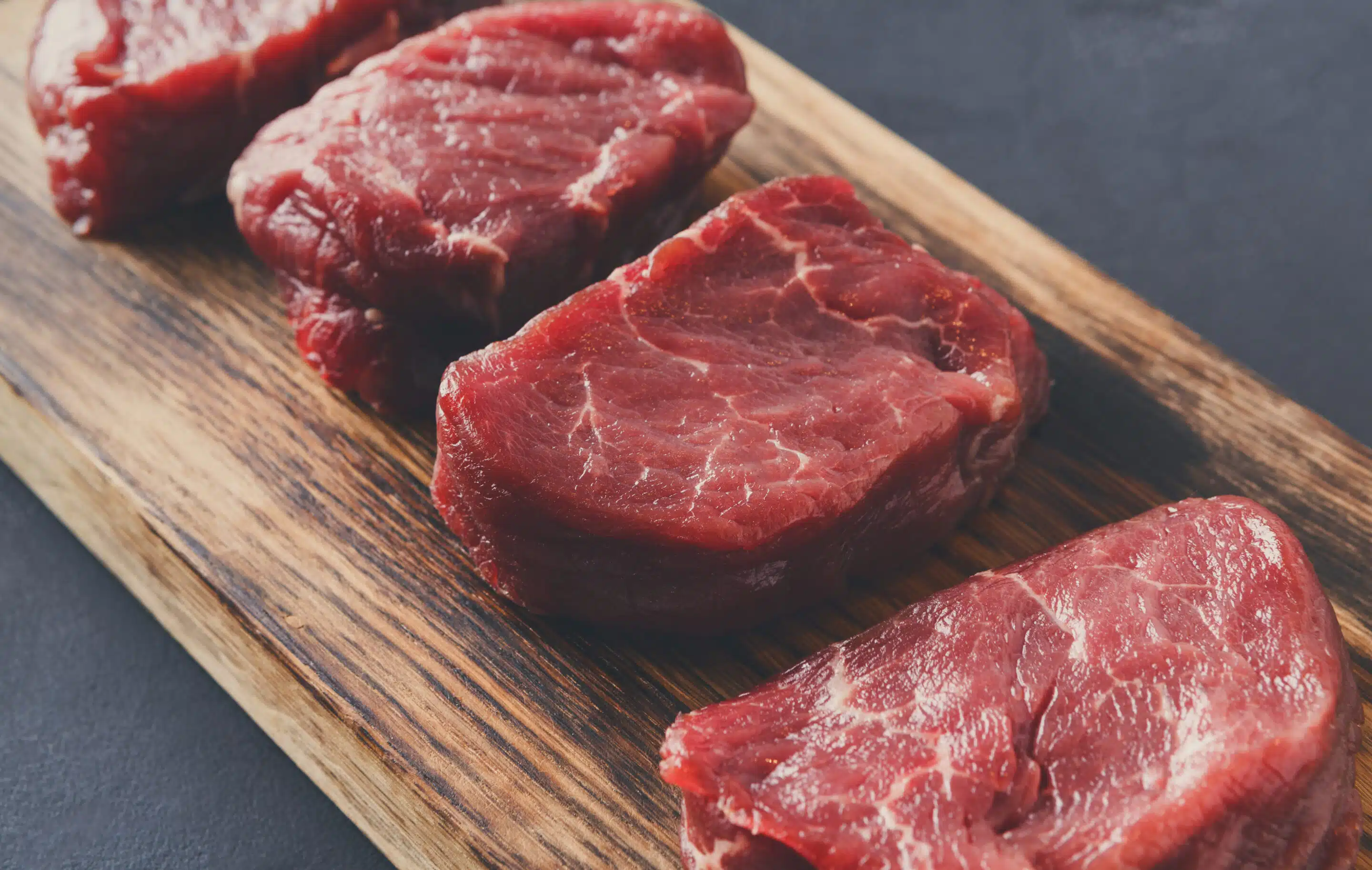
#3 Grass-Fed Beef (Including Organ Meats & Bone Broth)
Peripheral neuropathy is almost always, at its core, a mitochondrial energy problem.
Nerves require enormous amounts of ATP to heal, and grass-fed beef delivers a powerhouse combination of:
-
Heme iron
-
Zinc
-
Vitamin B12
-
Creatine
-
Carnosine
-
CoQ10
When you include organ meats, the benefits multiply.
Liver, heart, and kidney are among the most nutrient-dense foods on the planet, delivering concentrated cofactors nerves need for regeneration.
Don’t like organ meats?
You have options:
-
Mix 10–20% finely ground organ meat into ground beef
-
Add small amounts to chili, soups, or stews
-
Use high-quality desiccated liver capsules
Bone broth also plays a key role by providing the building blocks needed to rebuild nerve sheaths and connective tissue.
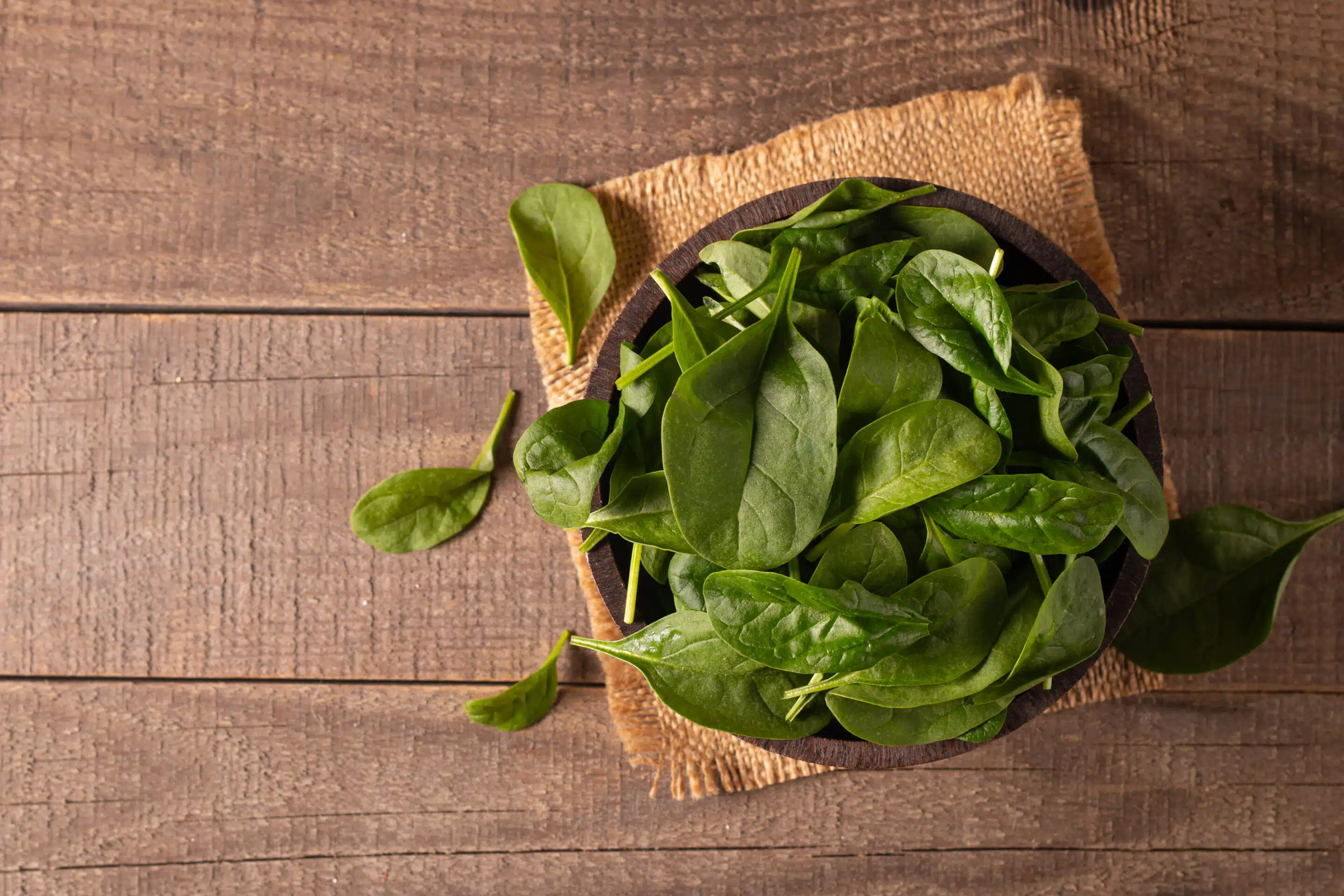
#4 Dark Leafy Greens
Dark leafy greens provide essential minerals and phytonutrients that create a calm, supportive environment for nerve healing.
They’re rich in:
-
Magnesium (critical for calming overexcited nerves)
-
Folate
-
Vitamin C
-
Vitamin K
-
Polyphenols
Magnesium, in particular, helps reduce burning, tingling, and pain by settling hyperactive nerve firing.
Leafy greens also support nitric oxide production, improving microcirculation so healing nutrients can actually reach damaged nerves.

#5 Berries
Different fresh ripe berries in bowl on light grey table, top view
(Blueberries, Blackberries, Raspberries)
Berries don’t rebuild nerves directly—but they protect the healing process.
Their anthocyanins and polyphenols:
-
Reduce neuroinflammation
-
Protect mitochondria
-
Shield nerves from oxidative stress
-
Cross the blood-brain barrier to support neuronal health
Think of berries as the guardians that preserve and maintain nerve repair once it begins.
The Pattern You Should Notice
This list is intentionally protein- and fat-dominant.
That’s because nerve repair is a structural and metabolic process, not an empty-calorie one.
Nerves require:
-
Fats for myelin
-
Cholesterol for membranes
-
Amino acids for structure
-
B vitamins for signaling
-
Mitochondrial fuel for regeneration
This is why fish, eggs, and beef consistently rise to the top.
When nerves aren’t improving, the issue is usually one (or more) of these:
-
Under-eating protein
-
Fear of healthy fats
-
Avoiding animal-based nutrients
-
Relying on “healthy” foods that are nutrient-depleted
If You’re Doing Everything Right… and Still Not Improving
If you’re thinking, “I eat these foods and still have neuropathy,” there’s likely a deeper issue.
True nerve healing requires understanding the difference between primary drivers of repair and secondary support factors. When those are confused—or only partially addressed—progress stalls.
We explain this in detail in our companion resource:
Why Your Nerves Refuse to Heal
Final Thought
Your body was designed to heal.
Your nerves were designed to repair.
Neuropathy doesn’t mean your body has failed—it means it’s asking for better tools.
You don’t need perfection.
You need nourishment.
And when you give your nerves the raw materials they’ve been demanding, the body remembers how to heal.
tools to heal and thrive.
Your healing journey may be slow, but every step counts. Collagen, combined with the right nutrients and lifestyle habits, can help you rebuild your nerves and reclaim your life.
Struggling with Neuropathy?
Dr. Coppola and Dr. Monteiro’s dedication to combating neuropathy is deeply personal, stemming from Dr. Monteiro’s experience with her mother’s severe chemo-induced neuropathy. This personal journey fueled their commitment to develop a systematic, drug-free approach to reversing neuropathy.
They founded the San Antonio Neuropathy Center, where they’ve successfully treated over 18,000 patients over the past two decades. Their acclaimed book, “Defeat Neuropathy Now in Spite of Your Doctor,” along with their neuropathy product line, stands as a testament to their expertise and innovative solutions.
Recognized as leading neuropathy specialists in America, Dr. Coppola and Dr. Monteiro offer a beacon of hope for those diagnosed with this challenging condition. If you or a loved one is seeking relief from neuropathy, reach out to us at 844 400-0101 or email us through our contact page – Click here. We also invite you to explore the neuropathy products we use with our patients, and now available at Nuphoria.com.
Your path to healing starts today.

Dr. John Coppola

Comments are closed, but trackbacks and pingbacks are open.